

THERMAL & FIRE DETECTION
Earlier warning. Informed response
MPS designs, installs and maintains commercial fire detection and alarm systems, together with thermal imaging technology for identifying abnormal temperature conditions in demanding environments.
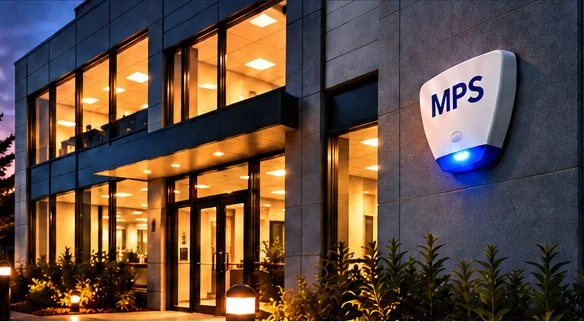
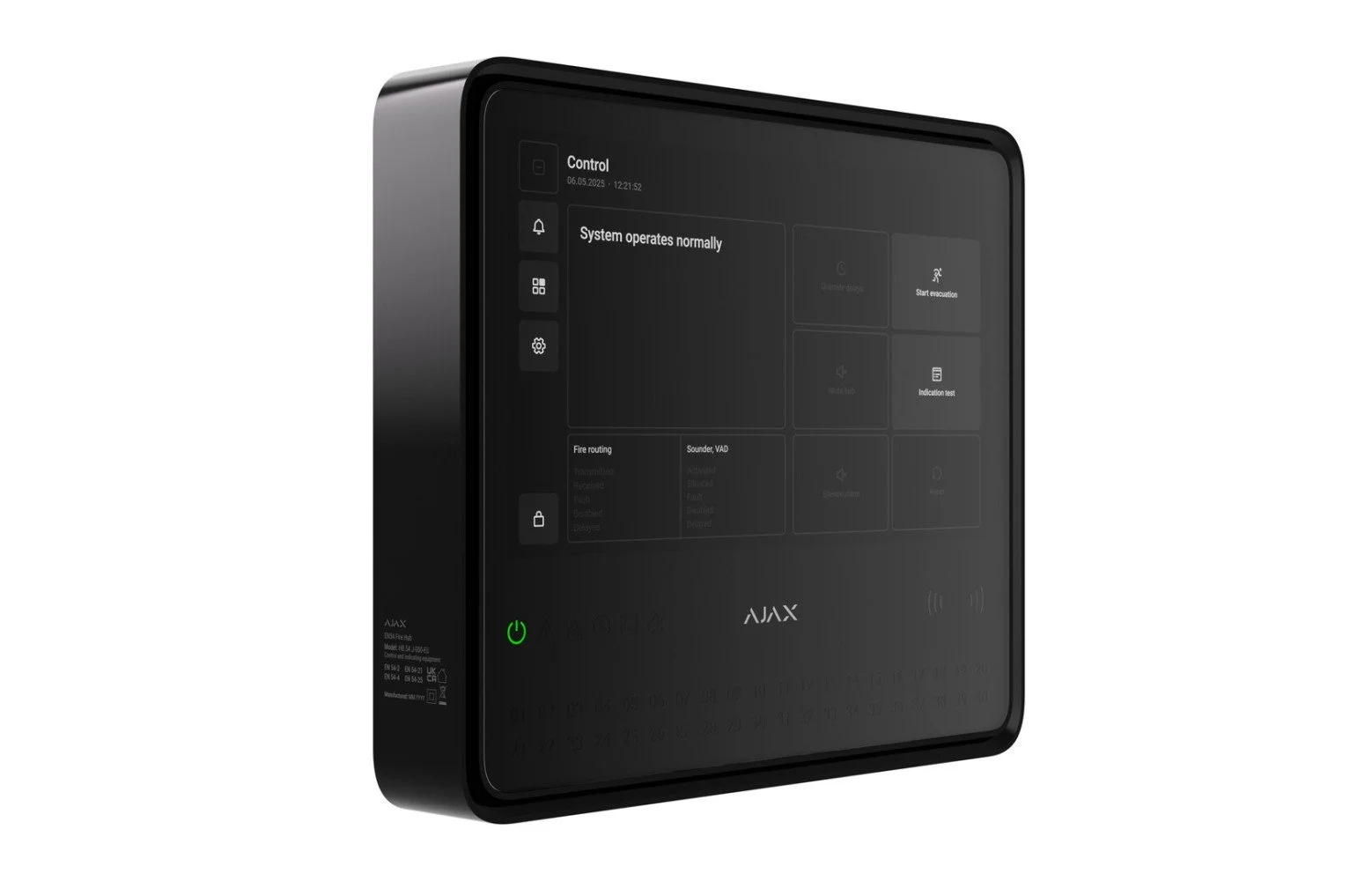
FIRE DETECTION & ALARM SYSTEMS
Contemporary fire detection for commercial premises
Effective fire protection depends on detecting a developing incident and providing a clear warning so that occupants and responsible staff take appropriate action. MPS designs systems around the premises, its use and the risks identified.
System options include automatic smoke and heat detection, manual call points, audible and visual alarm devices, control equipment and interfaces with other building and security systems.
BS 5839-1:2025
For non-domestic premises, MPS designs, installs, commissions and maintains fire detection and alarm systems with reference to the current BS 5839-1 code of practice and the requirements identified by the premises' fire-risk assessment.
THERMAL FIRE DETECTION
Detecting abnormal temperature before smoke or flame is apparent
Thermal imaging provides continuous temperature monitoring across defined areas. Configured temperature thresholds, temperature-rise rules and areas of interest trigger alarms when abnormal conditions require investigation.
Depending on the selected model, MPS thermography cameras support spot, line and area temperature measurement, together with temperature threshold, difference and rise alarms. This makes the technology particularly relevant to industrial safety, stored materials, plant and other environments where developing heat provides an early indication of risk.
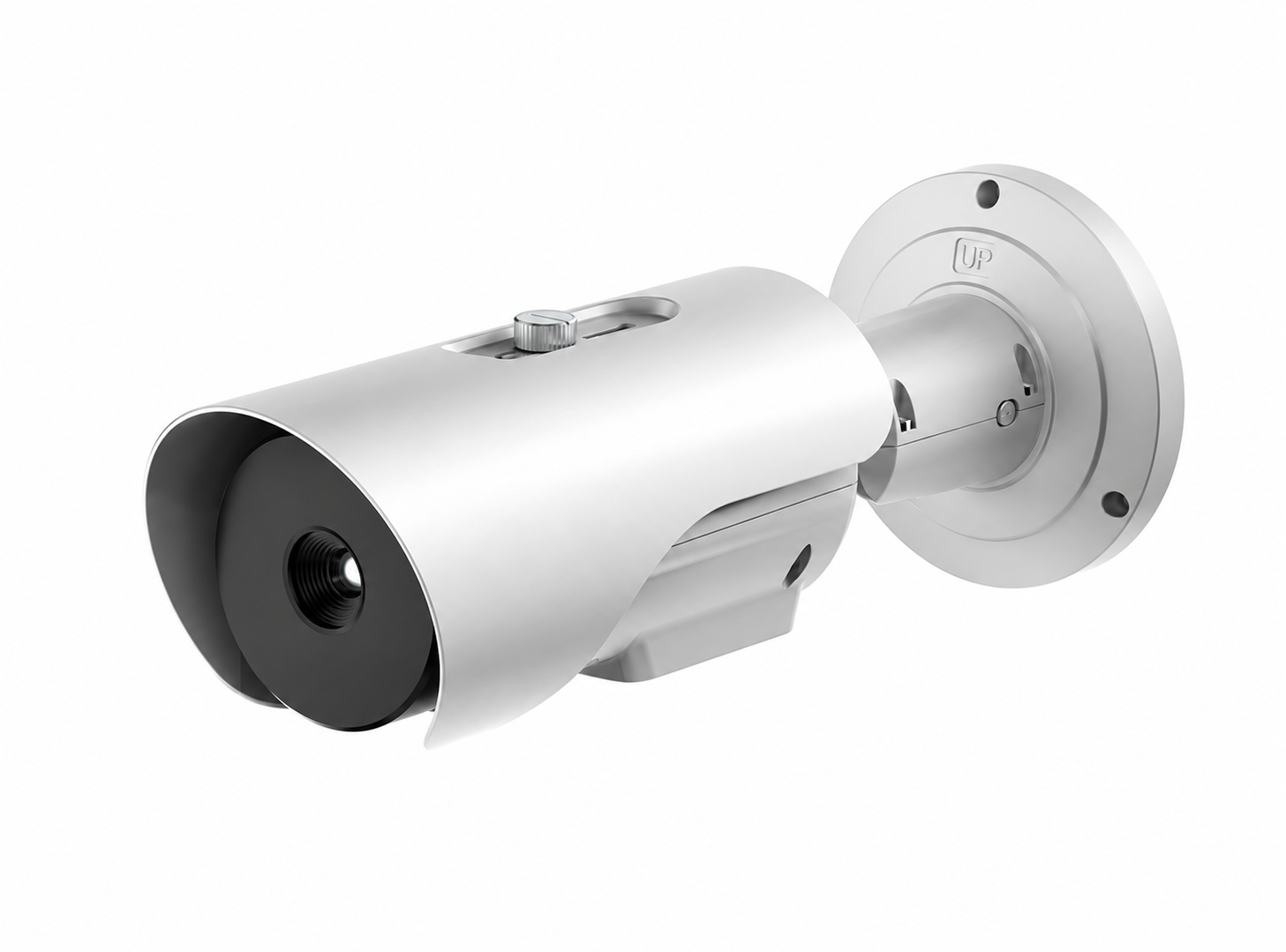
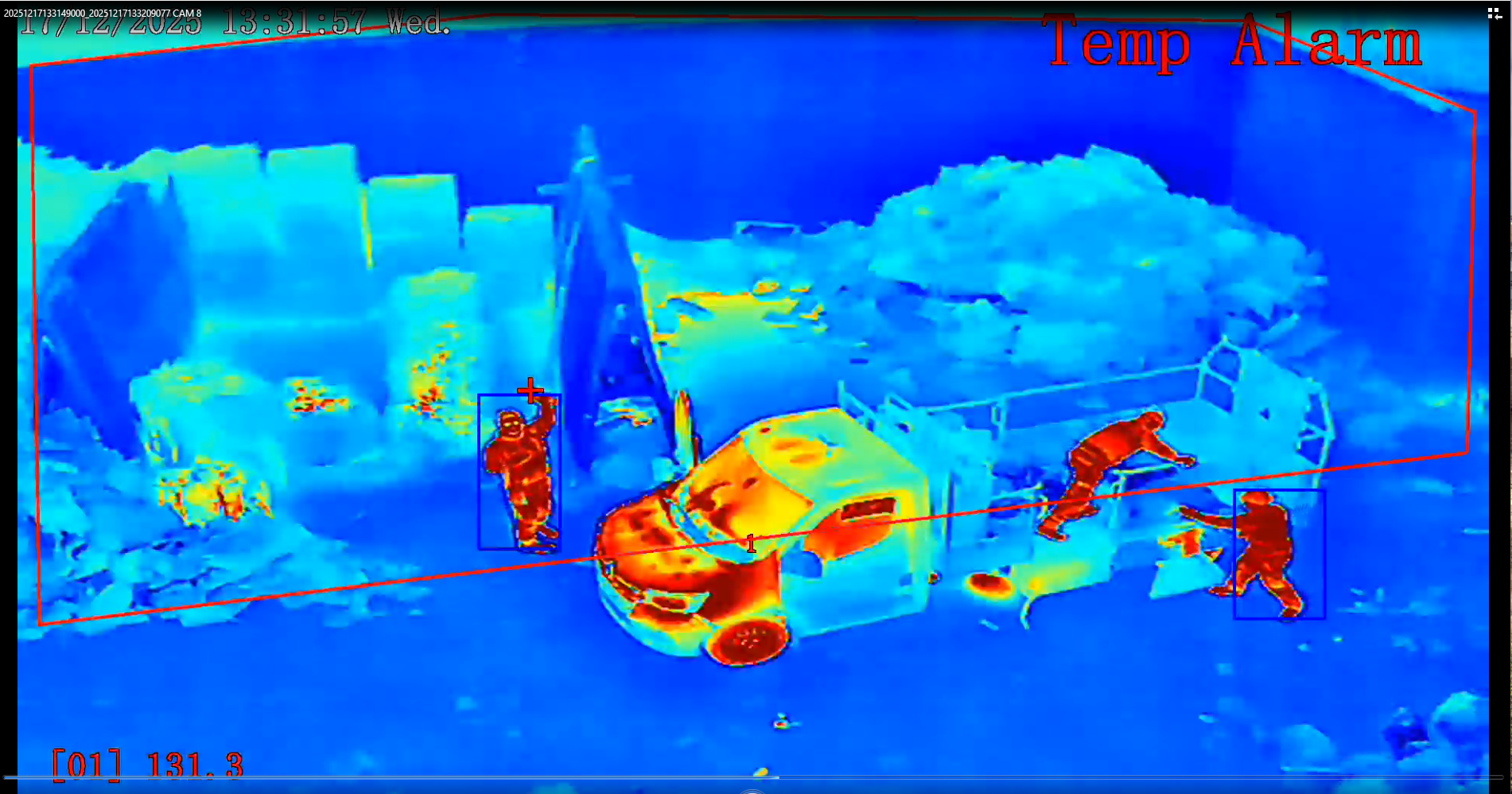
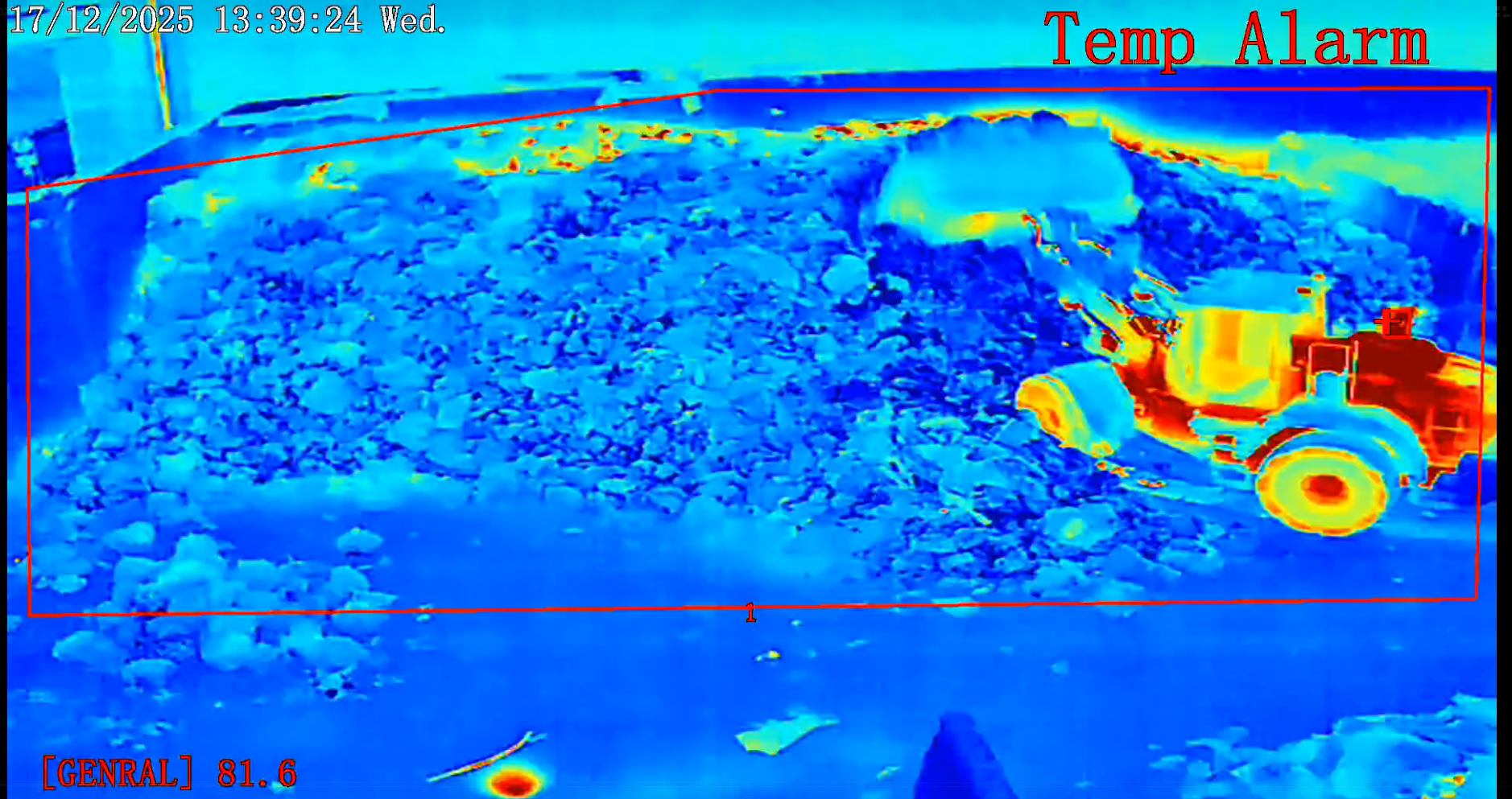
Operational thermal image showing a defined monitoring area and temperature alarm condition.
Real-world temperature alarm detection
This image shows thermal monitoring operating in a waste environment. Defined monitoring zones allow the system to assess temperature conditions across large operational areas and generate an event when configured alarm criteria are reached.
Early identification of a developing temperature anomaly gives responsible staff useful information and time to investigate and respond.
WASTE & RECYCLING
Monitoring stored and processed material
Waste and recycling facilities are a strong application for thermal fire detection because heat can develop within stored or processed material before there is an obvious external indication of fire.
Thermal cameras monitor stockpiles, storage areas, processing zones and equipment for abnormal temperature conditions. This approach also suits warehousing, industrial processes, utilities, plant areas and remote infrastructure.
Integration & response
Fire and thermal detection integrate into a wider MPS security and life-safety infrastructure. Where appropriate, configured alarm events initiate defined actions and provide useful information to those responsible for assessing and responding to an incident.
Inspection & maintenance
MPS reviews existing installations, identifies where changes or extensions may be appropriate and provides ongoing inspection, testing and maintenance. Thermal imaging provides an additional layer of early warning in suitable applications; it does not replace an appropriately designed fire detection and alarm system where one is required.
Discuss your fire & thermal detection requirements
Tell us about your premises, existing systems and the risks you need to manage.